
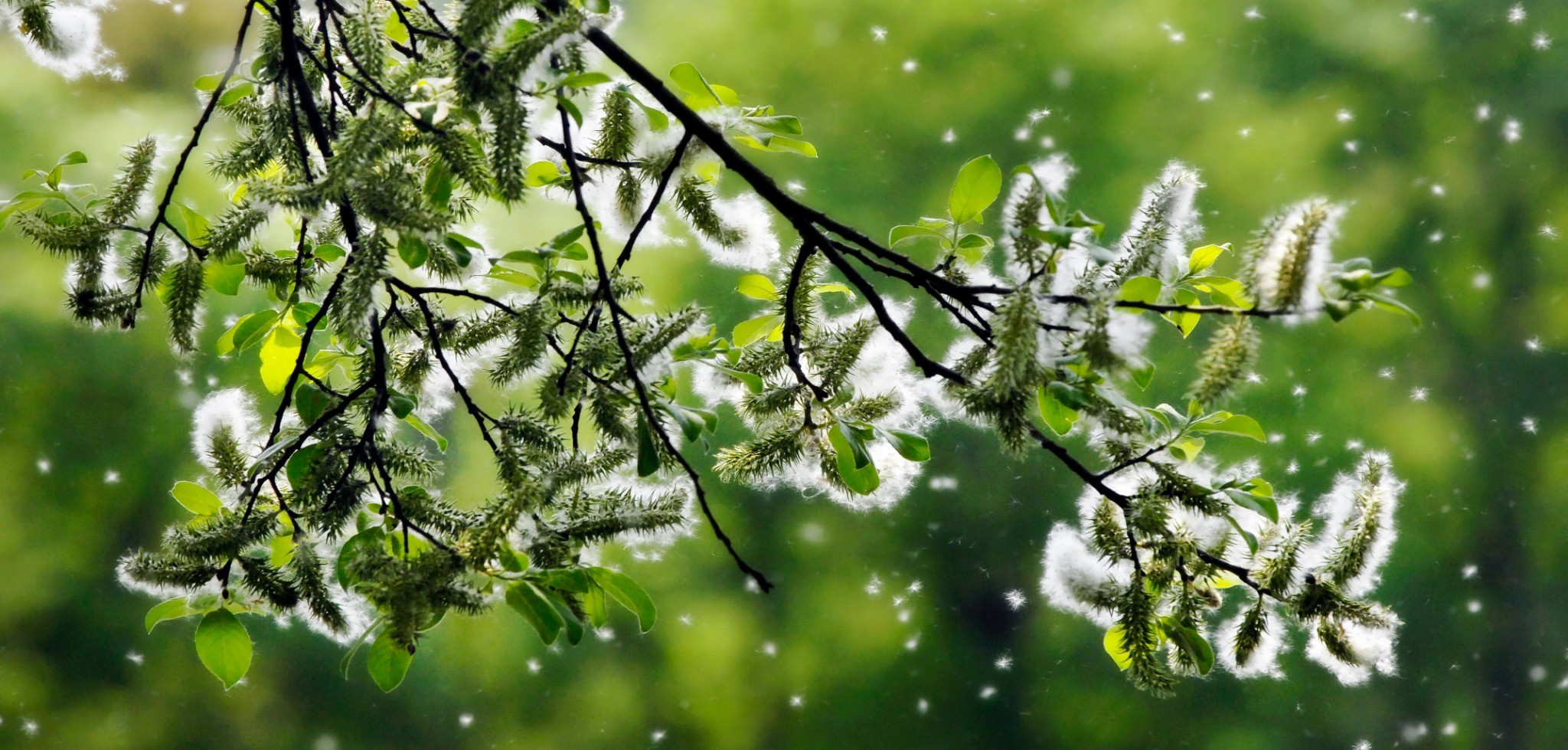
Rhinitis and hay fever
Rhinitis is an inflammation or irritation of the nasal mucosa. Common symptoms include a blocked or running nose, sneezing and itching or irritation of the nose. Sometimes the eyes are also involved. Rhinitis may be allergic, such as hay fever or an allergy to household dust mite, but there are also non-allergic forms.
The symptoms can be present all year round or occur only in certain periods. Also the way rhinitis differs. One person mainly has attacks of sneezing with a lot of aqueous secretion, while another chronic nasal congestion, mucus formation or dryness is at the forefront.
Acupuncture and Chinese herbal medicine can be tailored to both the complaints during an active period and to the underlying sensitivity which causes the complaints to return regularly.
Common symptoms
Rhinitis may include:
- a blocked nose;
- Clear, aqueous or thicker nasal secretion;
- sneezing regularly or in seizures;
- itching or irritation in the nose;
- itchy, red or tearing eyes;
- mucus running from the nose to the throat;
- decreased sense of smell;
- headache or feeling heavy in the head.
In allergic rhinitis, sneezing, itching and watery nasal secretion are common in the foreground. In other forms, nasal congestion, mucus formation or dryness may be more noticeable.
Possible causes
In allergic rhinitis, the immune system reacts to substances that are normally harmless. Examples include pollen, dust mites, animal skin flakes and fungal spores. The symptoms can be seasonal, such as hay fever, or occur throughout the year.
Infections of the upper respiratory tract, such as a virus cold, can also cause acute rhinitis problems. A respiratory infection may also temporarily worsen existing allergic or chronic nasal symptoms.
In non-allergic rhinitis, several other factors may play a role, including smoke and other irritants, certain medications and hormonal changes.
If nasal symptoms are present for a long time, strongly prevent on one side or another cause is suspected, conventional medical assessment may be necessary.
How can acupuncture help with rhinitis?
Acupuncture will look at the way your rhinitis looks at you. For example, the amount and nature of nasal secretion, nasal congestion, sneezing, itching, dryness and possible eye problems are important.
The course also plays a role. Therefore, treatment during a severe allergic attack may be different from that in a period where few complaints are present.
The treatment may include:
- reduce sneezing, itching and runny nose;
- help clear a clogged nose;
- reduce swelling and irritation of the nasal mucosa;
- reduce mucus formation and postnasal drip;
- treat dry and irritated nasal complaints;
- in chronic or recurrent rhinitis also treat the underlying sensitivity of the nose and airway.
In seasonal allergic rhinitis treatment may therefore have a different emphasis both during the pollen season and in the period before.
How can Chinese herbal medicine help with rhinitis?
Chinese herbs are also tailored to the current grievance and underlying sensitivity. During an active period, the focus may be on reducing nasal complaints. Outside an acute period, more attention can be paid to factors that TCM believes contribute to their regular return.
Chinese herbs can be used to:
- reduce sneezing, itching, nasal congestion and nasal secretion;
- treat excessive mucus formation and postnasal drip;
- reduce swelling and irritation of the nasal mucosa;
- support dry nose and mucous membranes when dryness is at the forefront;
- treat the underlying sensitivity in the event of regular complaints;
- adjust the treatment between an acute recovery and the calmer period between complaints.
Therefore, a different herbal combination can be used during a treatment course when the symptoms change.
How does Chinese medicine view rhinitis?
Within Chinese medicine, the Lung is closely linked to the nose and mucous membranes of the airways. The Lung also plays a role in the Wei Qi, a TCM concept that describes the protective function at the surface of the body.
In rhinitis, a distinction is made between the current picture of complaints and factors that can keep someone sensitive to new attacks.
During an active attack, Wind-Cold and Wind-Heat are among the most common TCM patterns. Whatever pattern is in the foreground is determined by the way the complaints are expressed at that time. The terms Cold and Heat describe the character of the complaint image and not simply the outside temperature. So someone can also have a Wind-Cold pattern on a warm spring or summer day.
In chronic or regular rhinitis, the underlying sensitivity is also considered.
Three underlying factors in allergic rhinitis
Within TCM, in allergic rhinitis, three main factors are described that may contribute to the onset and recurrence of symptoms.
1. Constitutional construction
In some people the sensitivity to allergic symptoms exists from a young age. Allergic rhinitis can, for example, be associated with eczema or asthma and allergic conditions may occur more often within the family. Within TCM this constitutional basis is mainly covered by the Lung- and kidney organ system .
2. A weakened function of Lung-Qi and Wei Qi
The Lung is closely connected to the nose and body surface protection within TCM. When Lung-Qi and Wei Qi do not function properly, nose and airways can react more easily and complaints such as sneeze, runny nose and nasal congestion can return regularly.
3. A weakened Spleen function with formation of Dampness
The Spleen is involved in the processing of food and body fluids within TCM. When this function weakens, Dampness can develop. This TCM concept describes a complaint image in which fluid accumulation, mucus and heavy feeling may occur. In rhinitis, this can contribute to chronic swelling of the nasal mucosa, mucus formation and nasal congestion.
These factors may be present in different proportions. As a result, the acute allergic reaction can mainly be treated in one person, while in someone with long-term or regular symptoms, the underlying sensitivity becomes important.
What is a TCM organ system?
A TCM organ system describes a group of related body functions and is wider than just the anatomical organ with the same name. Read more at TCM basics .
What is a TCM pattern?
A TCM pattern is a recognizable combination of complaints and physical characteristics that indicates which imbalance is likely to contribute to the complaints. Read more at TCM basics .
Below are only the most common patterns discussed. Other patterns are possible and multiple patterns can occur at the same time. This allows you to recognize yourself in different descriptions. Also, someone with a certain pattern does not have to have all the symptoms mentioned. The pattern is determined on the basis of the overall picture of complaints.
Most common TCM patterns
Wind-Cold in the Lung
Brief explanation
This pattern fits especially with an active attack with a lot of sneezing and abundant, clear and aqueous nasal secretion. The term Cold describes the character of the complaints within TCM: the discharge is clear and watery and the nasal mucosa is often pale and swollen. It does not mean that the symptoms must have been caused by cold weather.
Common symptoms
- attacks of many sneezing;
- itchy nose;
- abundant clear and aqueous nasal secretion;
- clogged nose;
- pale and swollen nasal mucosa;
- itchy or tearing eyes;
- Sometimes a cold feeling.
Examples of Western disorders
This pattern can be recognised in allergic rhinitis, hay fever and acute rhinitis, including rhinitis symptoms during a cold.
Wind-Heat in the Lung
Brief explanation
Wind-Heat also occurs mainly during an active episode. Compared to Wind-Cold, mucous membranes are more irritated and red and the secretion can be thicker or yellower. Heat also describes the character of the complaints and does not mean that warm weather is the cause.
Common symptoms
- sneeze;
- itching or irritation of the nose;
- nasal congestion;
- aqueous to thicker or yellowish secretion;
- red and irritated nasal mucosa;
- red, itchy or tearing eyes;
- dry mouth or throat;
- sometimes headaches.
Examples of Western disorders
This pattern can be recognised in allergic rhinitis, hay fever and acute rhinitis where irritation and heat symptoms are clearly present.
Lung-Qi-deficiency
Brief explanation
Lung-Qi deficiency focuses not only on the current attack, but above all on the tendency to get nose problems over and over again. According to TCM, the Lung and the protective Wei Qi do not function sufficiently powerfully, which makes nasal and respiratory response easier.
Common symptoms
- regular sneezing;
- Clear, aqueous nasal secretion;
- chronic or recurrent nasal congestion;
- pale and swollen nasal mucosa;
- have a regular cold;
- fatigue;
- spontaneous or easy sweating;
- sometimes shortness of breath or a weak voice.
Examples of Western disorders
This pattern can be recognised in chronic or recurrent allergic rhinitis and hay fever.
Spleen-Qi-deficiency with Dampness
Brief explanation
In this pattern, the Spleen cannot handle body fluids properly according to TCM. This makes Dampness and mucus easier. In the nose, this is mainly caused by prolonged swelling, constipation and mucus formation. In addition, digestive problems are often present.
Common symptoms
- persistent nasal congestion;
- highly swollen nasal mucosa;
- thicker white or clear secretion;
- postnasal drip;
- feeling heavy or blurred in the head;
- fatigue and feeling heavy in the body;
- decreased appetite;
- bloating;
- soft or loose stools.
Examples of Western disorders
This pattern can be recognised in chronic or persistent rhinitis and allergic rhinitis, where nasal congestion and mucus formation are very prominent.
Lung-Yin-deficiency with Heat
Brief explanation
This is another chronic image. Instead of a lot of aqueous separation, dryness and irritation are central. According to TCM, the moistening function of the Lung is insufficient and can result in relative Heat.
Common symptoms
- dry nose and mucous membranes;
- crust formation in the nose;
- nasal congestion despite low secretion;
- decreased sense of smell;
- dry mouth or throat;
- feeling of warmth;
- sometimes night sweats;
- Sometimes warmth of hands and feet.
Examples of Western disorders
This pattern can be recognised in atrophic rhinitis and other chronic forms of rhinitis where the nasal mucosa dryness is at the forefront.
Outlook
The course of treatment depends, among other things, on the type of rhinitis, the duration and severity of the complaints, the triggering factors and the underlying TCM patterns. Acute or relatively recent symptoms may sometimes change faster than rhinitis that has existed for years.
In chronic or allergic rhinitis, treatment may have different stages. During an active period the emphasis is more on reducing current symptoms. When complaints are calmer, more attention can be paid to the underlying sensitivity.
In the initial phase, one acupuncture treatment per week is a common guideline. During a severe acute period, treatment can be temporarily more frequent. In addition, in seasonal allergic rhinitis it may be useful to start already before the expected allergy season. If symptoms become less and more stable, the treatment frequency can be reduced. Chinese herbs can be used daily between treatments if appropriate.
Contact
Do you have frequent rhinitis, such as a blocked or running nose, a lot of sneezing or recurrent allergic nasal symptoms, and do you want to know if acupuncture and/or Chinese herbal medicine can fit in with your symptoms? During a first consultation we will discuss your complaints, possible triggering factors and other relevant symptoms. Based on the overall complaint picture, we will examine which TCM pattern is likely to be at the forefront and what treatment fits.